Welding kit
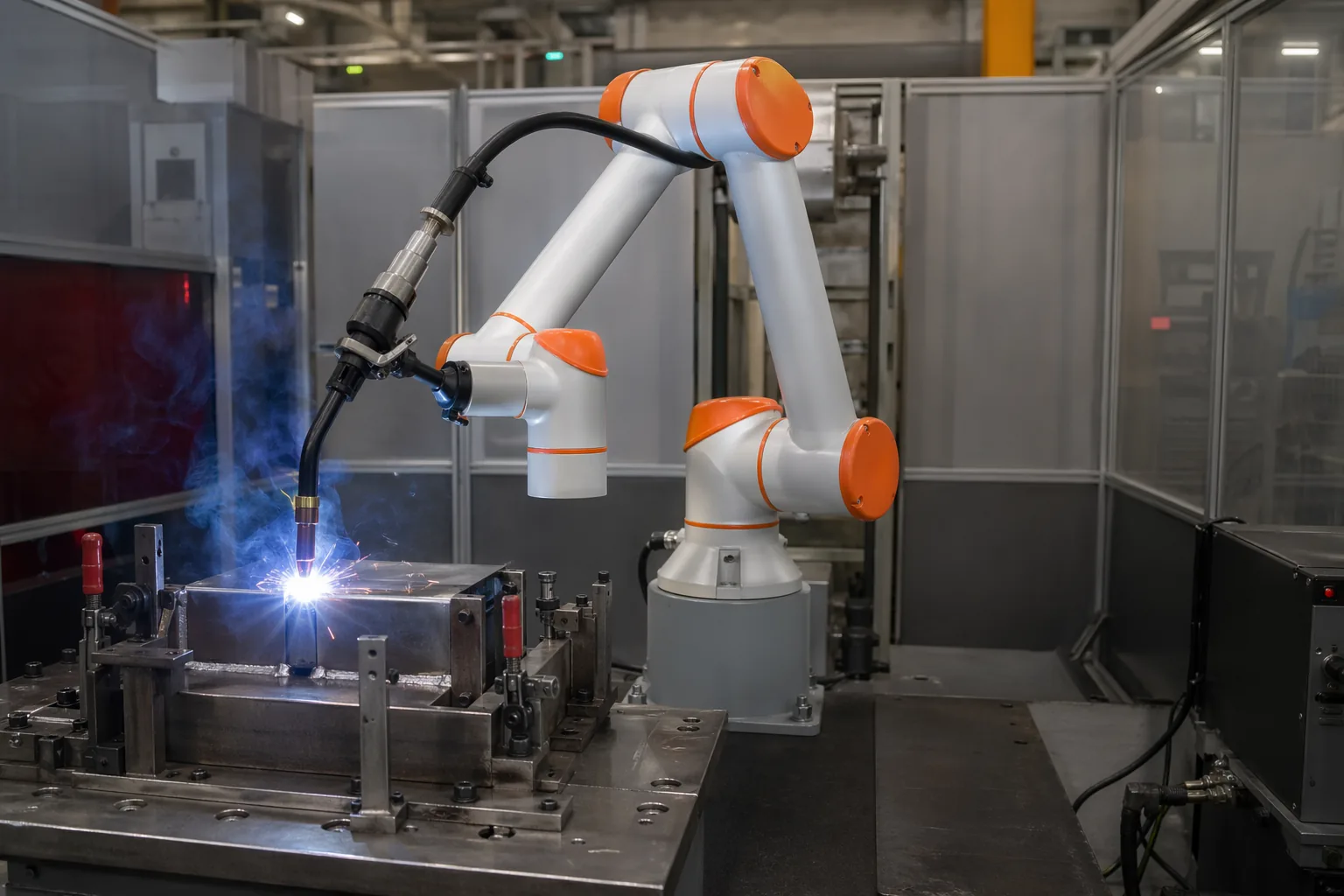
For teams that want to move from the first conversation to a working welding cell with clear hardware, integration and startup scope.
A kit makes sense when the customer does not want to split the discussion into separate decisions about the robot, tooling, safety and startup. We turn that into one scope and one implementation path.
We are not pretending to have a shelf full of generic boxes. We show three realistic starting points that come up most often in production discussions.
For teams that want to move from the first conversation to a working welding cell with clear hardware, integration and startup scope.
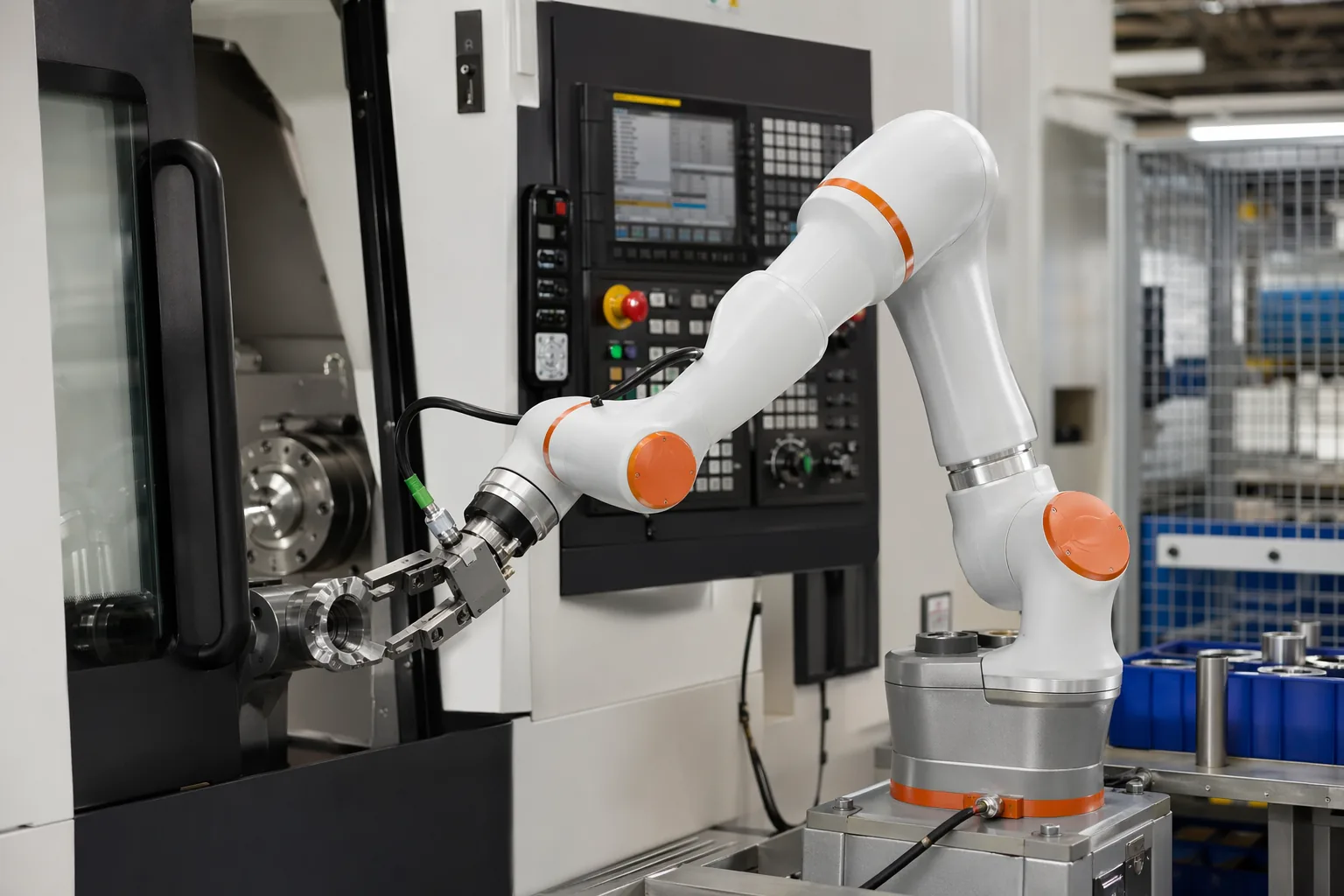
For stations where repeatable loading, unloading and machine utilization matter more than keeping one operator tied to one machine all shift.
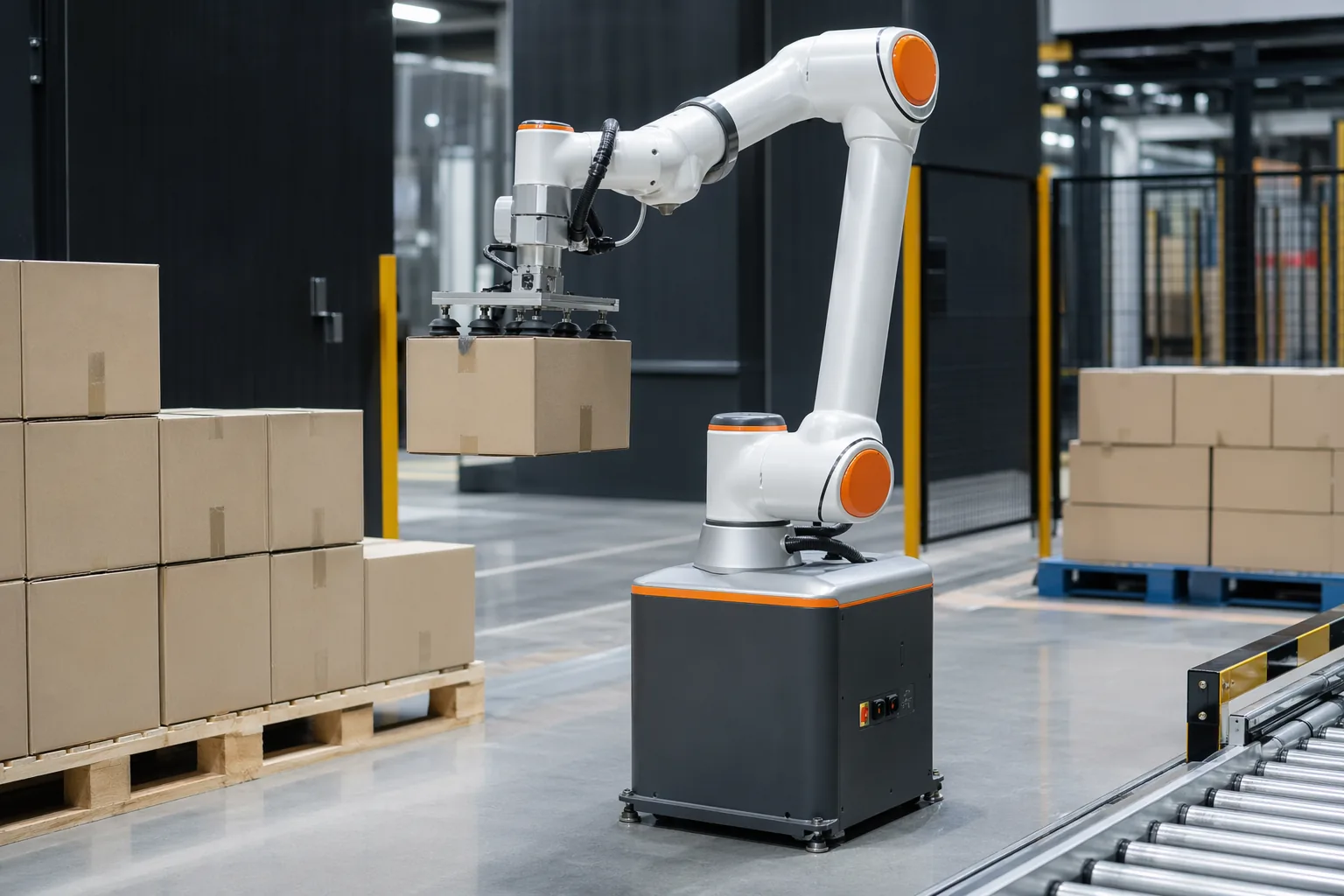
For applications where the end of the line needs stable pallet handling, better output and less manual load on operators.
First we confirm that the process and station constraints make sense. Only then do we lock the scope into a package that can actually be deployed.
A short description of the part, cycle and station limits is usually enough to tell whether a kit is the right starting point.
We define the robot, tooling, safety boundary and where hardware ends and integration starts.
The package is complete only when the station is understandable for operators and ready for repeatable work.