Implementation partner for Manu cobots
A Manu cobot matched to the process, not only to the datasheet
We start with the process, the part and the station constraints. Only then do we define the Manu model, tooling, integration scope and launch plan that can realistically work on the plant floor.
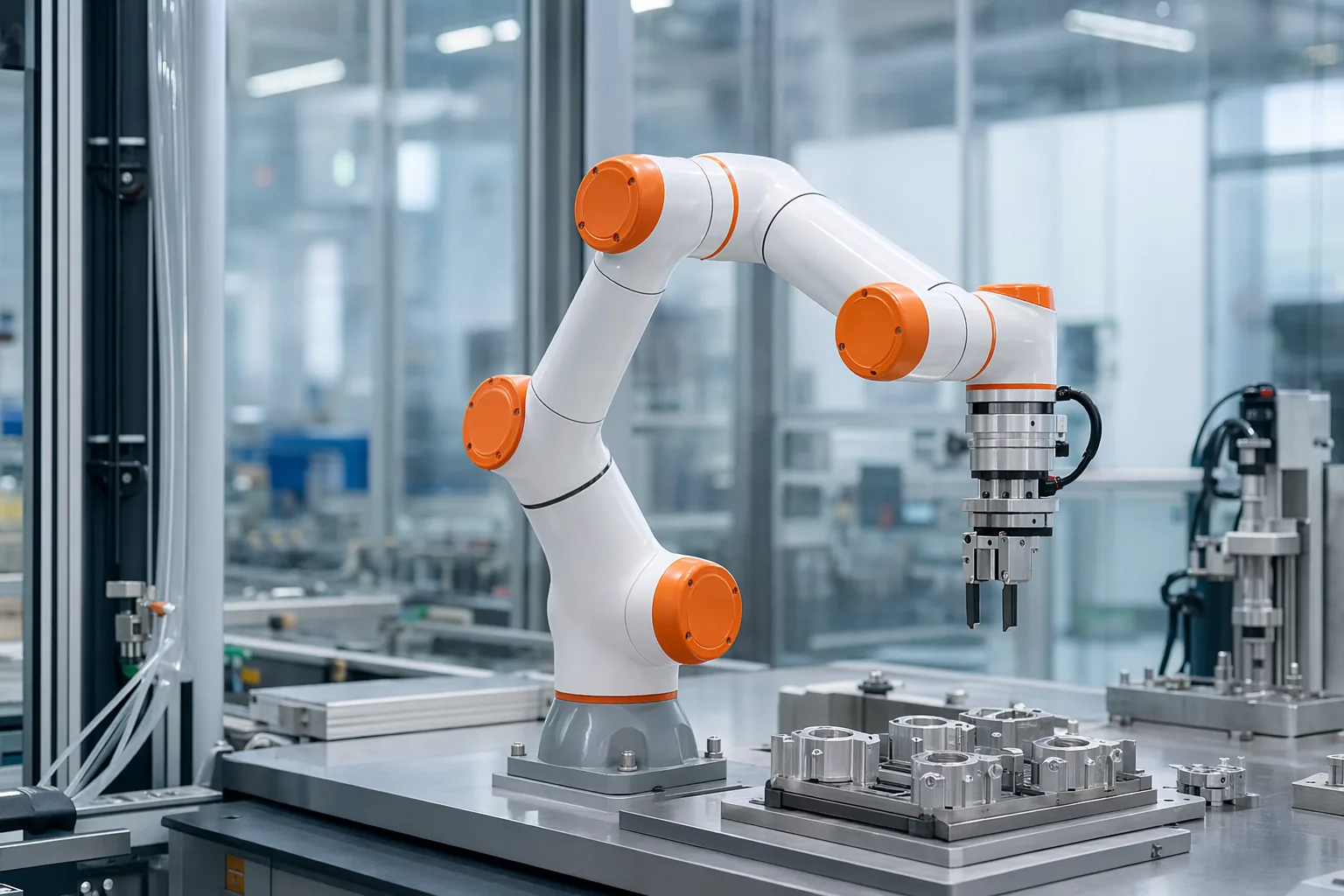
For manufacturing
- welding and palletizing
- CNC tending and assembly
- quality control and pick & place
Plants that want to start with one well-scoped station
We focus on an application that can move into production without inflating the project beyond what is truly needed.
Process first, solution second
We assess the part, work rhythm, station space and risk first, then define the Manu model, tooling and deployment boundary.
A clear first stage and a decision on what comes next
The client gets a visible scope for supply, integration and commissioning, plus a decision whether the next step should be a pilot or a full deployment.
Manu models
We match each model to the process, workspace, part weight and expected production rhythm, not only to the payload table.
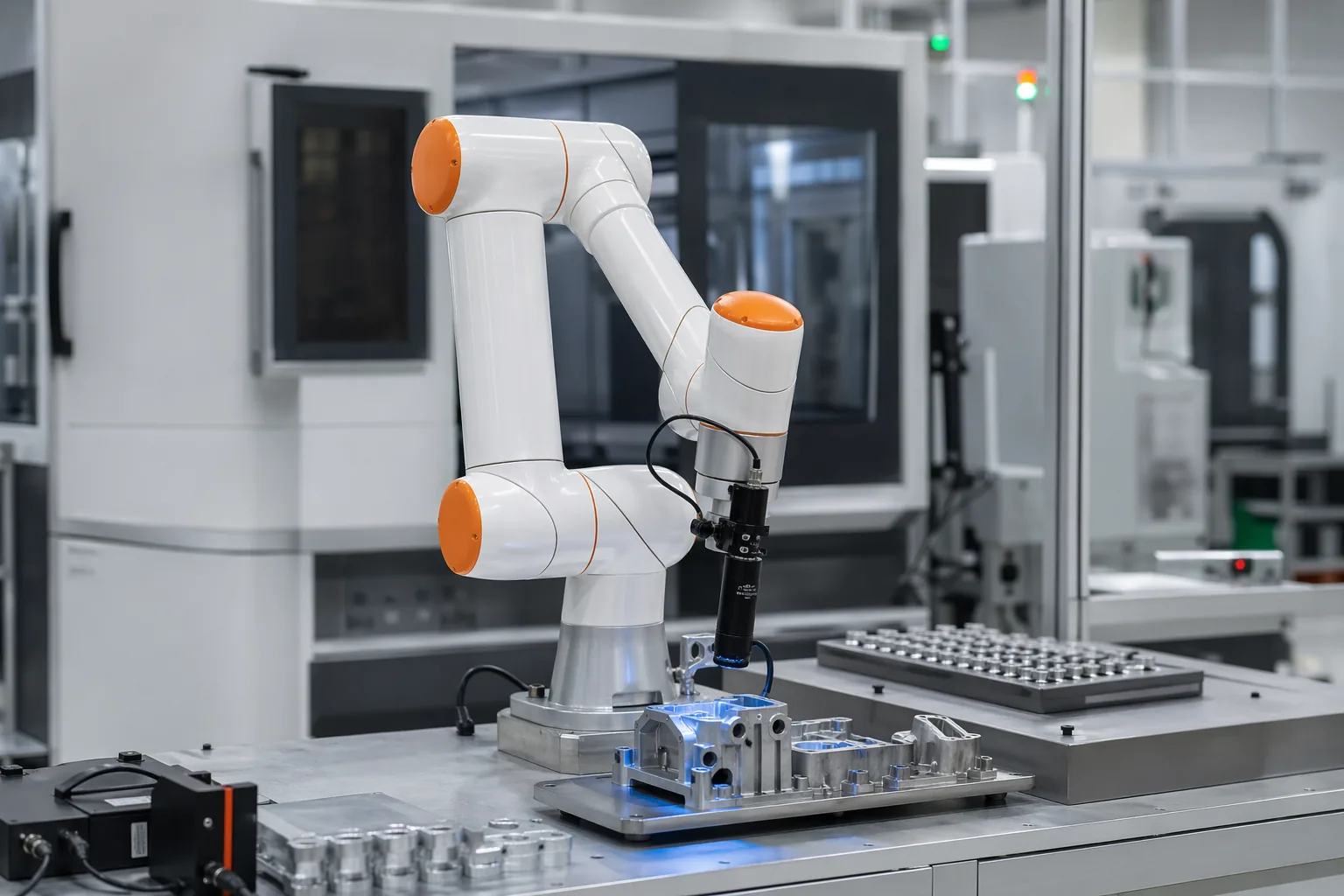
Precision tasks
5 kg
Manu 5
Compact model for assembly, pick & place, light machine tending and stations where footprint and precision matter more than payload reserve.
922 mm reach
precision handling
small cells
Most common starting point
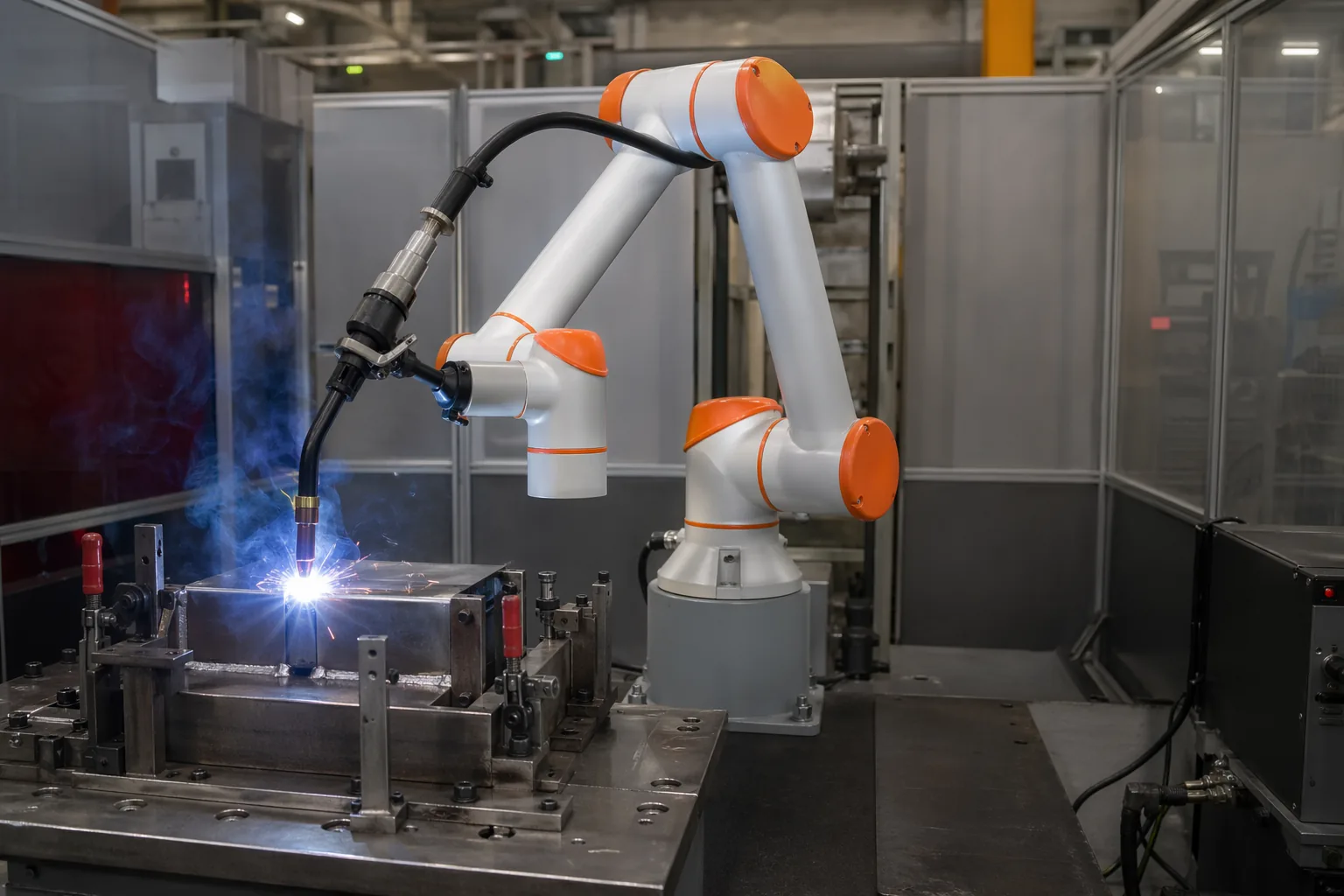
Most versatile
10 kg
Manu 10
Our most versatile model for welding, CNC tending, packaging and first deployments where one station should handle more than one production scenario.
1200 mm reach
welding and CNC
pilot deployments
Heavier applications
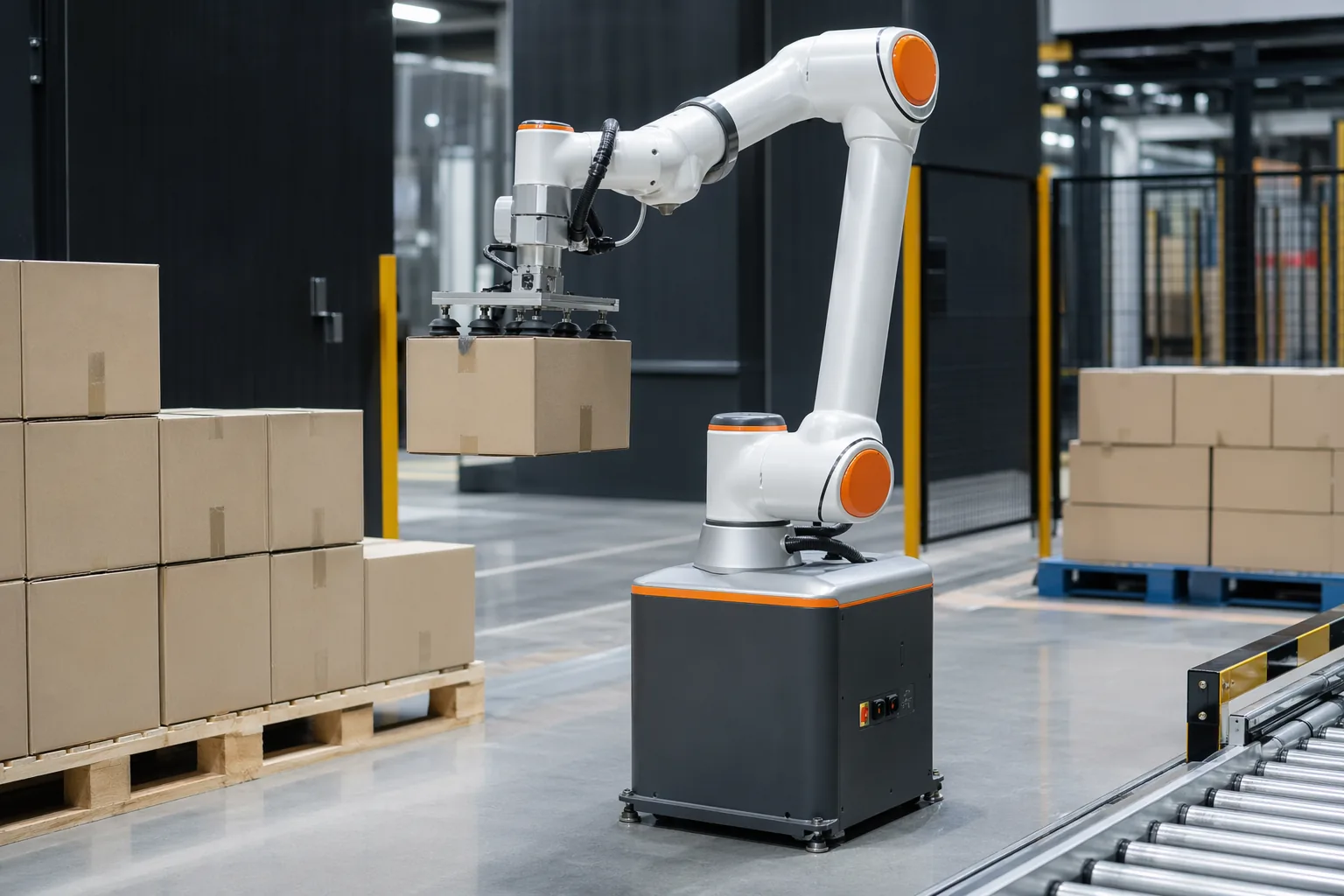
20 kg
Manu 20
Model for palletizing and heavier operations where the station needs more payload, more tooling reserve or a wider working envelope.
1700 mm reach
palletizing
larger tooling
Applications worth starting with
We highlight the processes where a cobot most often gives a quick and visible result as a first or next automation step.
Welding
A repeatable process with a clear automation upside
Strong fit where stable quality, operator relief and faster changeovers matter more than manual flexibility alone.
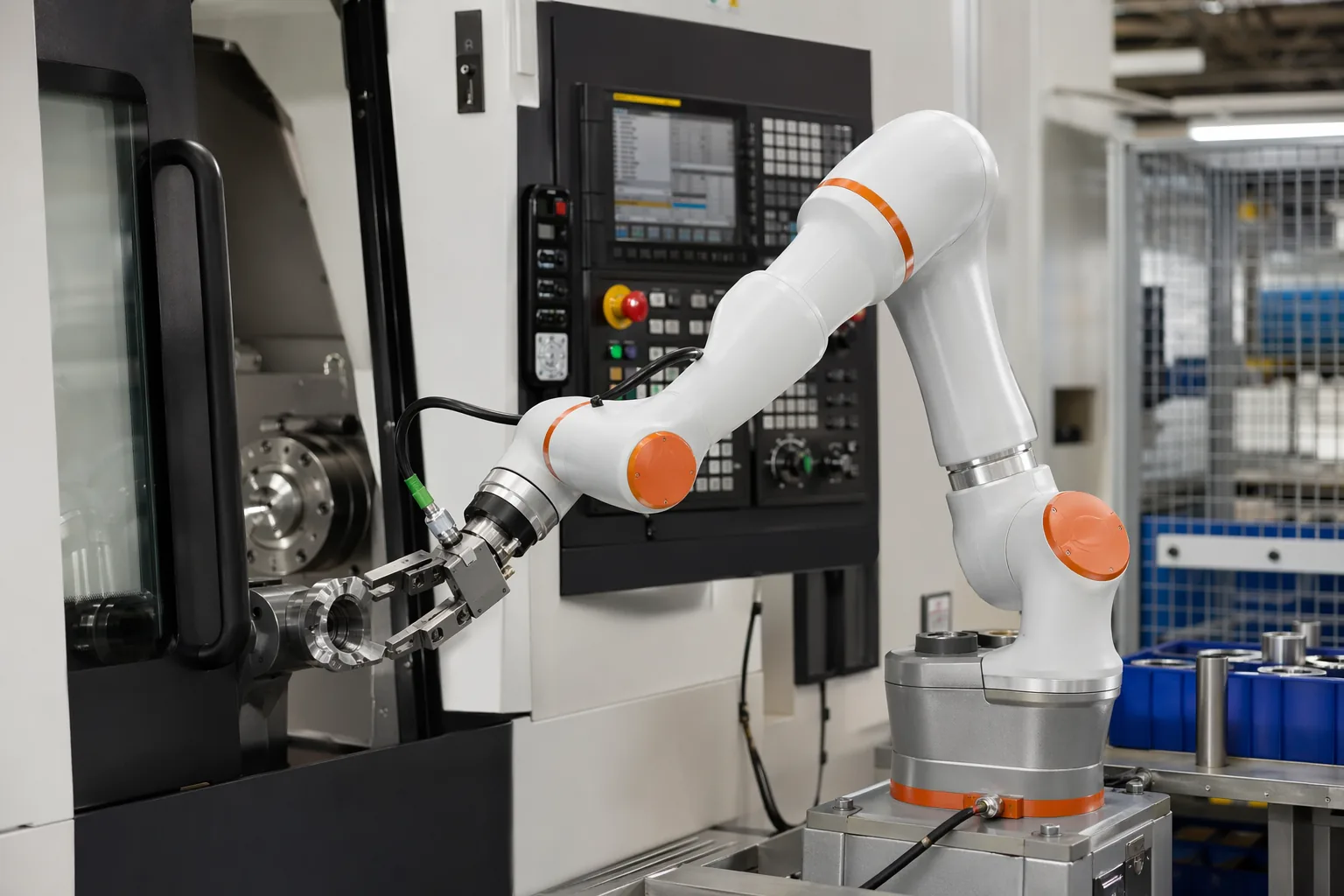
CNC tending
Consistent part handling without tying up one operator for the whole shift
Useful when one person should supervise more than one machine or when loading needs to become more repeatable.
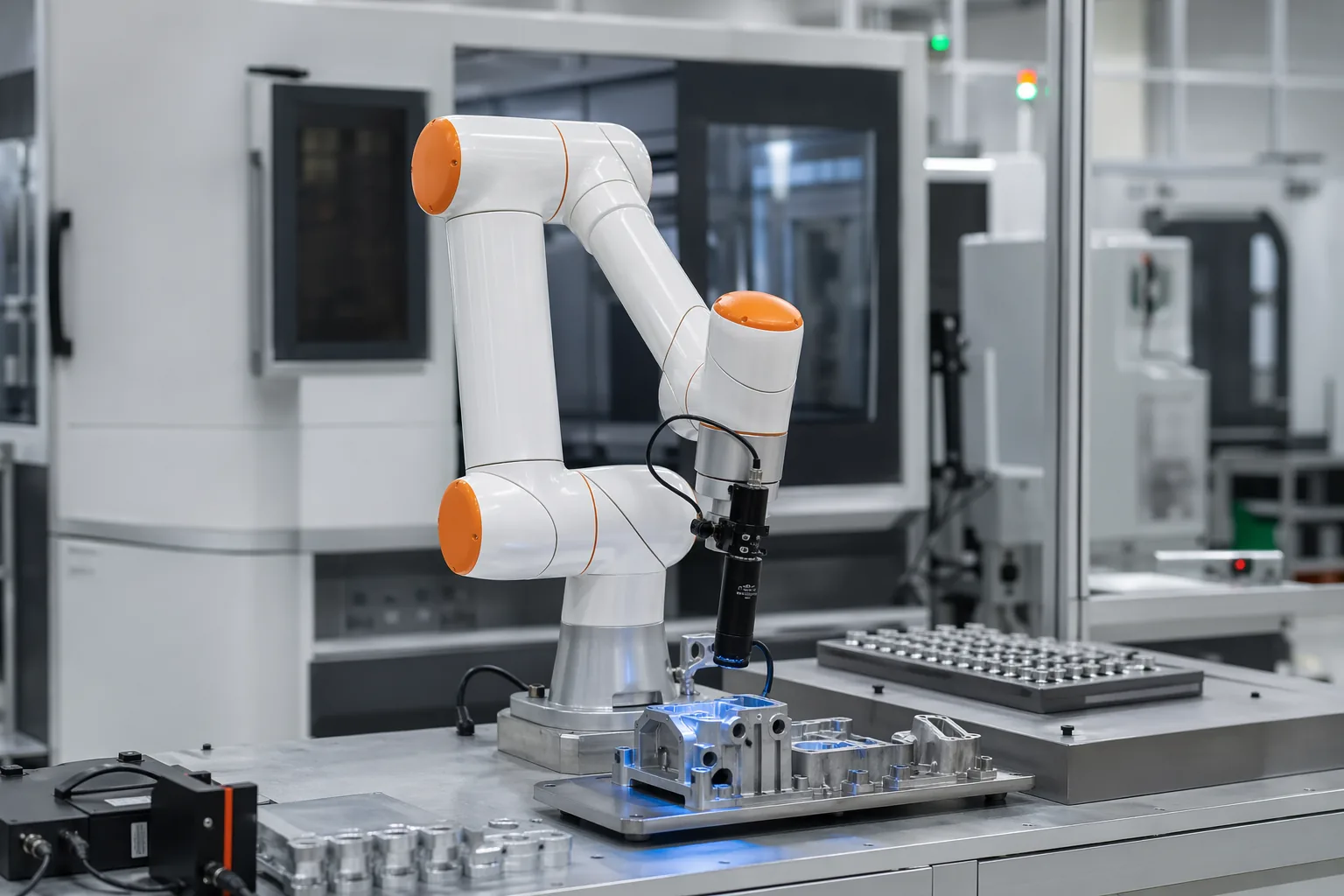
Quality control
Repeatable positioning for cameras and inspection stations
Good option for applications that need a stable path, clear operating rhythm and straightforward training for operators.
Proof and trust layer
At this early stage it is built on a visible pilot scope, a clearly described technical path and an honest cooperation model. We do not imply references or materials that are not yet ready for public use.
One conversation about equipment and implementation
The client sees early what belongs to Manu cobot supply, what belongs to station integration and which items still depend on a deeper process review.
- Manu model specifications
- integration and commissioning scope
- CE documentation path during the offer stage
- no public deployment photos at this stage
- a public description of the pilot deployment format
- clear distinction between an implementation plan and a formal reference
One station, one clear goal and a visible scope
We start a pilot from one process and one implementation boundary. The client gets application review, configuration fit, launch plan and clear criteria for moving into a full station.
Maintenance and safety teams need specifics. That is why we frame the conversation through station requirements, safety and responsibility split.
Next step
Let us check whether your station is ready for a Manu cobot deployment
A short call is usually enough to understand the process type, likely Manu model and whether it makes sense to start with a pilot or a full station.